The short version
- Ask, and say where the photo will appear.
- Take extra care with children and young people.
- Make it easy to say no, or to change their mind.
Before you start
This is general good practice, not legal advice. The Privacy Act 2020 can apply to photos of people, and the Office of the Privacy Commissioner’s guidance on photographing children and young people is well worth reading if you work with them.
How to ask
“Mind if I take a photo for our Facebook page? It’s totally fine to say no.”
Say which platforms, and what the post is about. If it’s for an advert, say so: agreeing to a page post isn’t agreeing to a paid ad.
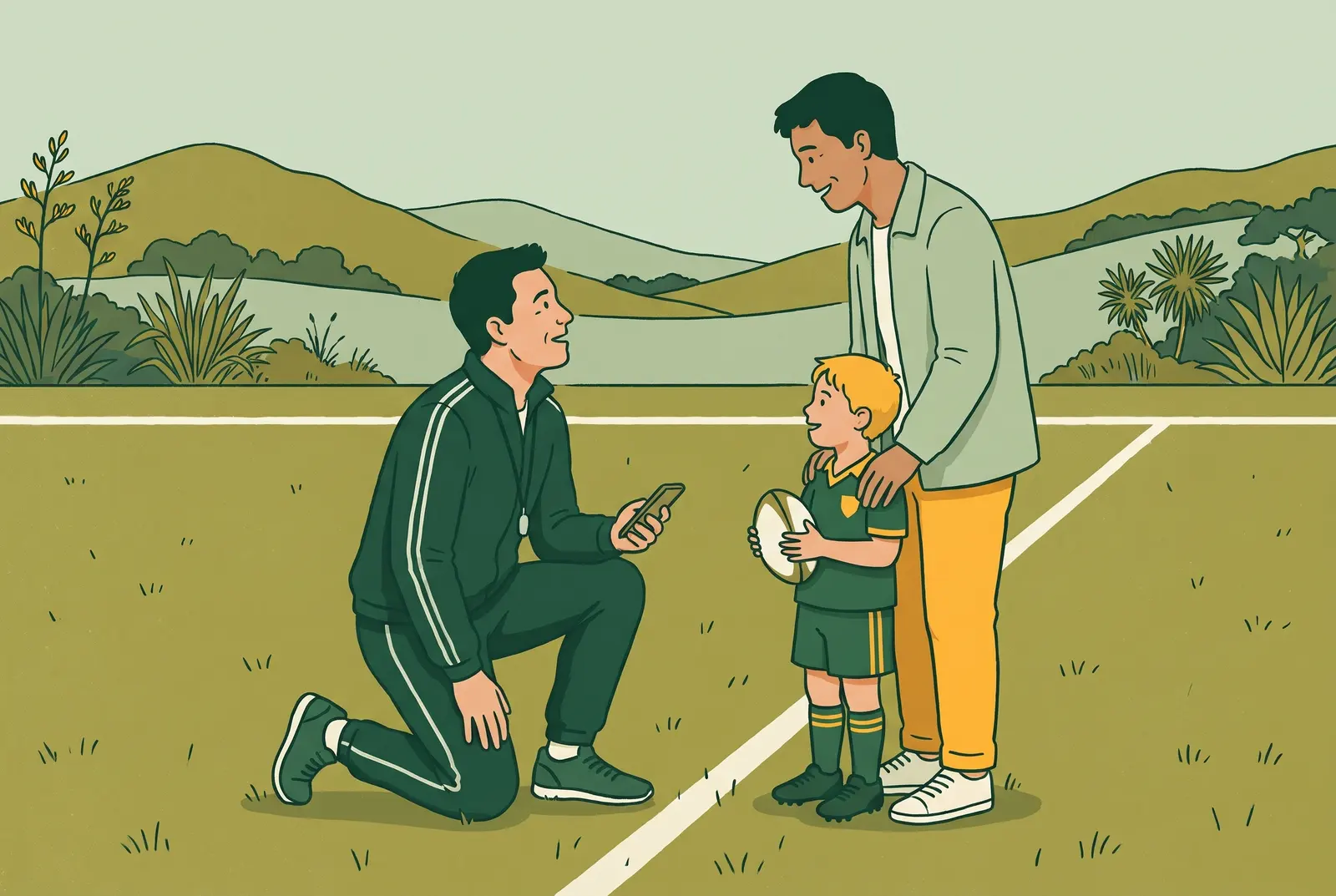
Children and young people
The Privacy Commissioner’s guidance treats consent as best practice and says it should be informed, and that people should be able to withdraw it. In practice:
Events and staff
At events, put up a sign saying photos are being taken and whom to tell if you’d rather not appear. Staff and volunteers should be free to decline without it being awkward. Keep a short written note of who has said yes and when, and check again now and then.
When someone changes their mind
Take it down promptly and without debate, from every place you posted it. If you’d rather avoid the question, photograph hands, backs, the work or the room.
Want these made for you?
We write and design posts in your own brand. First month free for our first 25 members.
Claim your free month